
Low-Light Houseplants Listed by Extension Experts
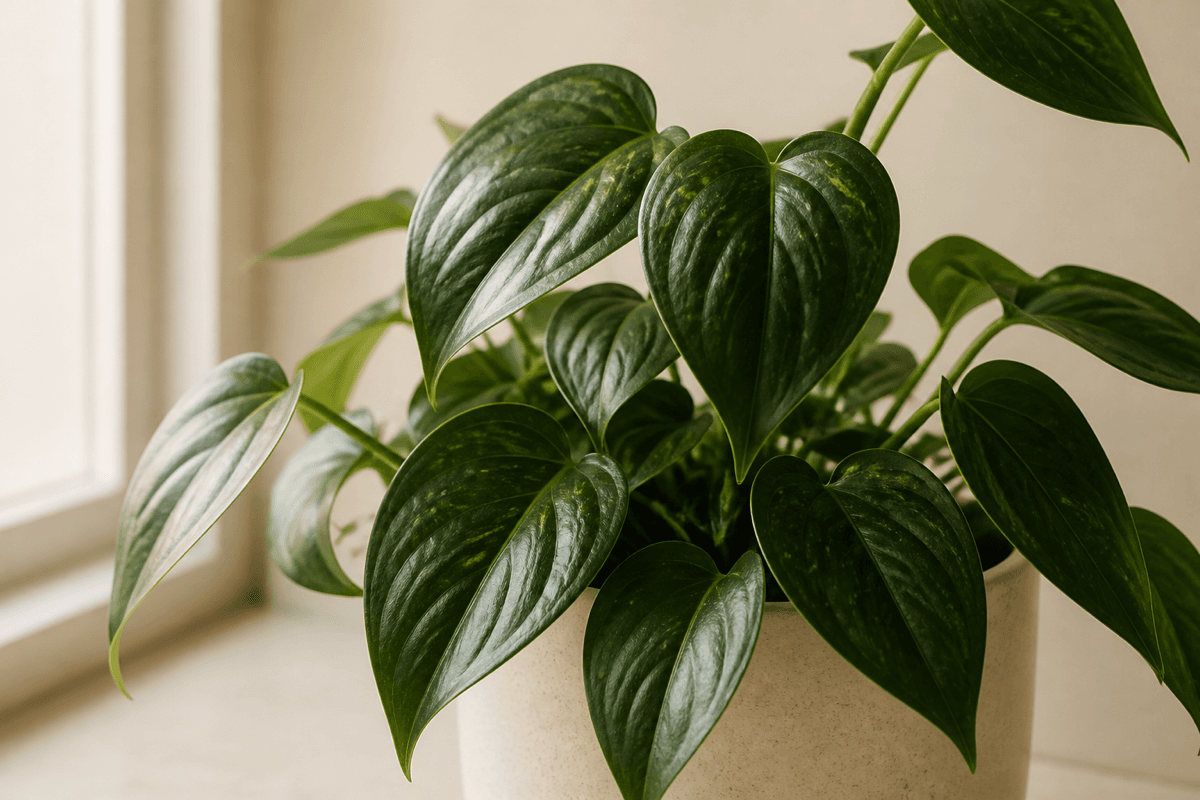
University of Minnesota Extension lists snake plant, ZZ plant, pothos, philodendron, cast iron plant, peace lily, and several other foliage plants for low-light indoor conditions. Low light is still light: assess the window and hours of natural light, expect slower water use, feel the soil before watering, and add suitable supplemental light where natural light is inadequate.
Low light is not the same as no light. Choose a species whose needs match the light available, expect slower growth and water use in dimmer conditions, and add suitable supplemental light when natural light is inadequate. University of Minnesota Extension lists several foliage plants for low-light indoor environments.
How do you assess a low-light spot?
Observe the quality and hours of natural light before choosing a plant. University of Minnesota Extension describes a low-light location as one suitable for a north window or fairly dark corner and notes the informal test “bright enough to read a newspaper.”
That visual test is only a starting point. Window direction, obstructions, distance, season, and the hours of light all matter. A light meter can provide a more consistent measurement if plant placement is a recurring problem.
Which plants does extension guidance list for low light?
The University of Minnesota list includes:
- Chinese evergreen;
- cast iron plant;
- pothos;
- philodendron;
- snake plant;
- peace lily;
- ZZ plant;
- several dracaenas and palms.
“Low-light plant” means the species is suited to lower-light indoor conditions; it does not mean that light is optional. More light may still be needed for dense foliage or flowering.
How does care change in lower light?
Extension guidance notes that plants grow more slowly and use less water in lower light. Adjust by observation:
- Check before watering. Do not carry a fixed interval from a brighter location into a dimmer one.
- Keep drainage working. Avoid leaving the container in collected water.
- Watch for light-stress signals. Pale foliage, long thin stems, wide spaces between leaves, leaf drop, and loss of variegation can accompany insufficient light.
- Clean dusty leaves gently. Dust can block light; a damp cloth works for many large-leaved plants.
- Move plants gradually. A sudden move into stronger sun can scorch foliage.
Follow species-specific guidance for watering and fertilizer rather than applying one rule to every low-light plant.
Can supplemental lighting help?
Yes. University of Minnesota Extension says supplemental lighting can make up for insufficient natural light. Choose the light type, distance, and total daily duration for the plant category, and follow the fixture manufacturer's safety directions. Include existing natural-light hours when setting a timer.
The takeaway
Measure the location before buying, choose from species that reliable guidance places in low light, and monitor the plant after placement. Slower water use is a reason to check the potting mix, not a reason to adopt another fixed schedule.
Quick answers
- What plant survives with almost no light?
- No houseplant should be treated as a no-light plant. For a naturally dim location, choose a species that extension guidance lists for low light, then monitor growth and consider supplemental lighting if the available light is inadequate.
- How often should you water low-light plants?
- Do not use a fixed interval. Plants in lower light generally grow more slowly and use less water, so feel the soil and follow the needs of the species before watering.
- Do grow lights count as light for houseplants?
- Supplemental lighting can make up for insufficient natural light. Choose a fixture and duration for the plant type, follow the manufacturer's distance and safety directions, and include the natural-light hours when setting a timer.
Sources consulted
The editorial team used the following university extension, government, or official platform documentation for the factual guidance on this page. Plant needs still vary by species and growing conditions.