
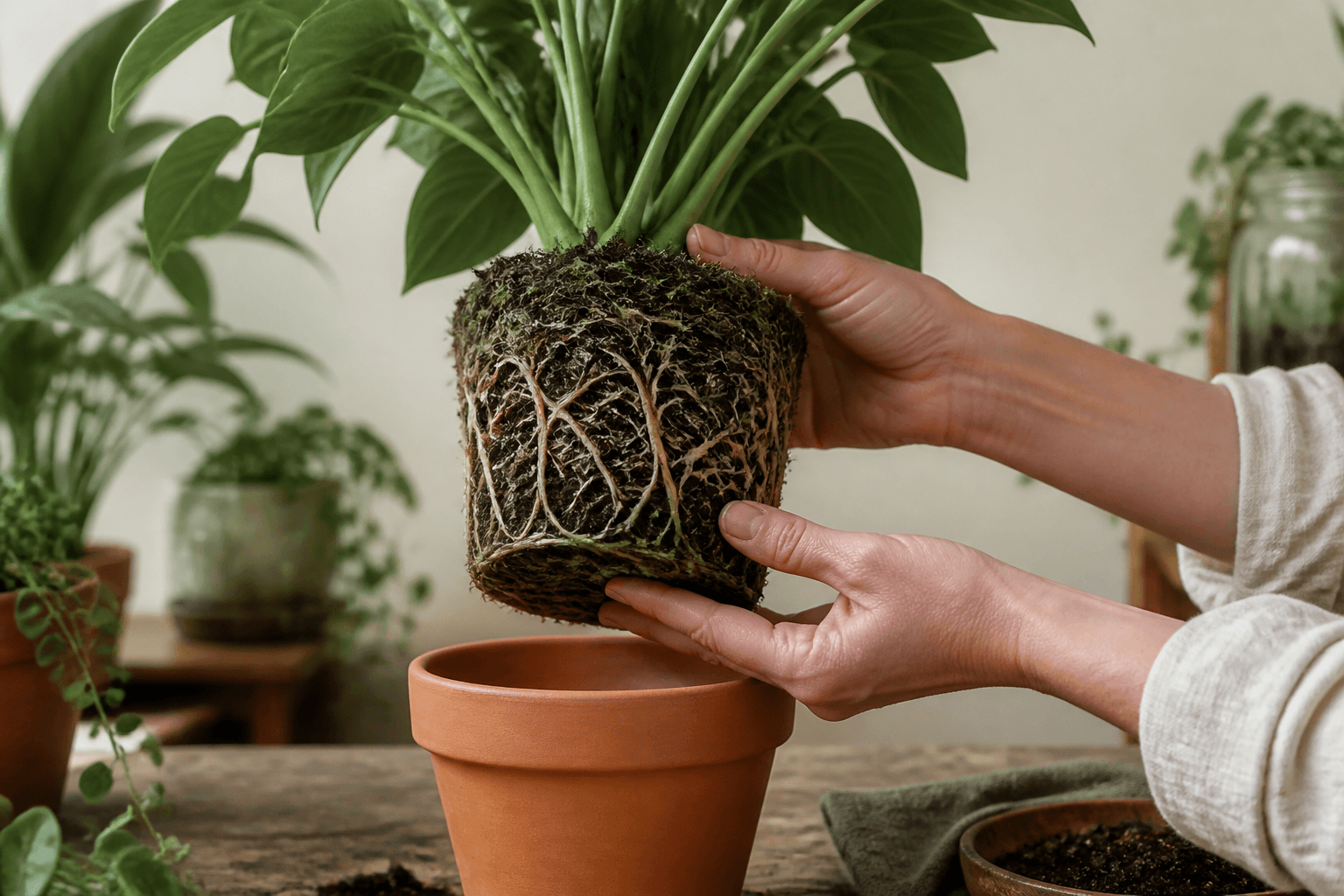
Root Rot or Dry Soil? What the Roots, Soil, and Pot Can Tell You
Compare root-ball moisture, drainage history, pot weight, and root texture before deciding whether a houseplant is dry or has root damage.
6 minute read
Houseplants
Practical, answer-first guides to watering, light, yellow leaves, and propagation — written for plant people who want a clear next step, not a rigid rule.
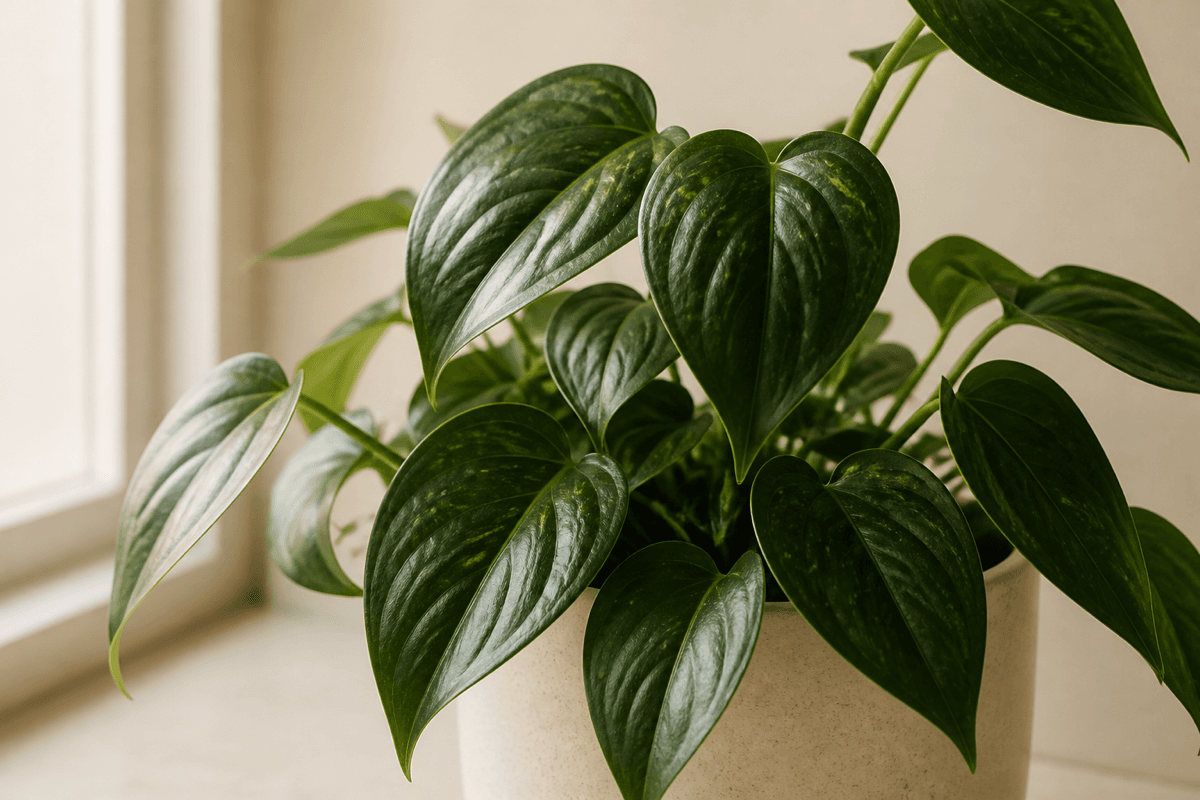
Direct answer
Good houseplant care starts with observation: check the soil before watering, match the plant to the available light, and treat changes in leaves or roots as evidence. These guides turn those observations into simple decisions.
Read next
Compare root-ball moisture, drainage history, pot weight, and root texture before deciding whether a houseplant is dry or has root damage.
6 minute read
Use soil moisture, drainage, roots, and recent environmental changes to decide what a drooping houseplant needs next.
6 minute read
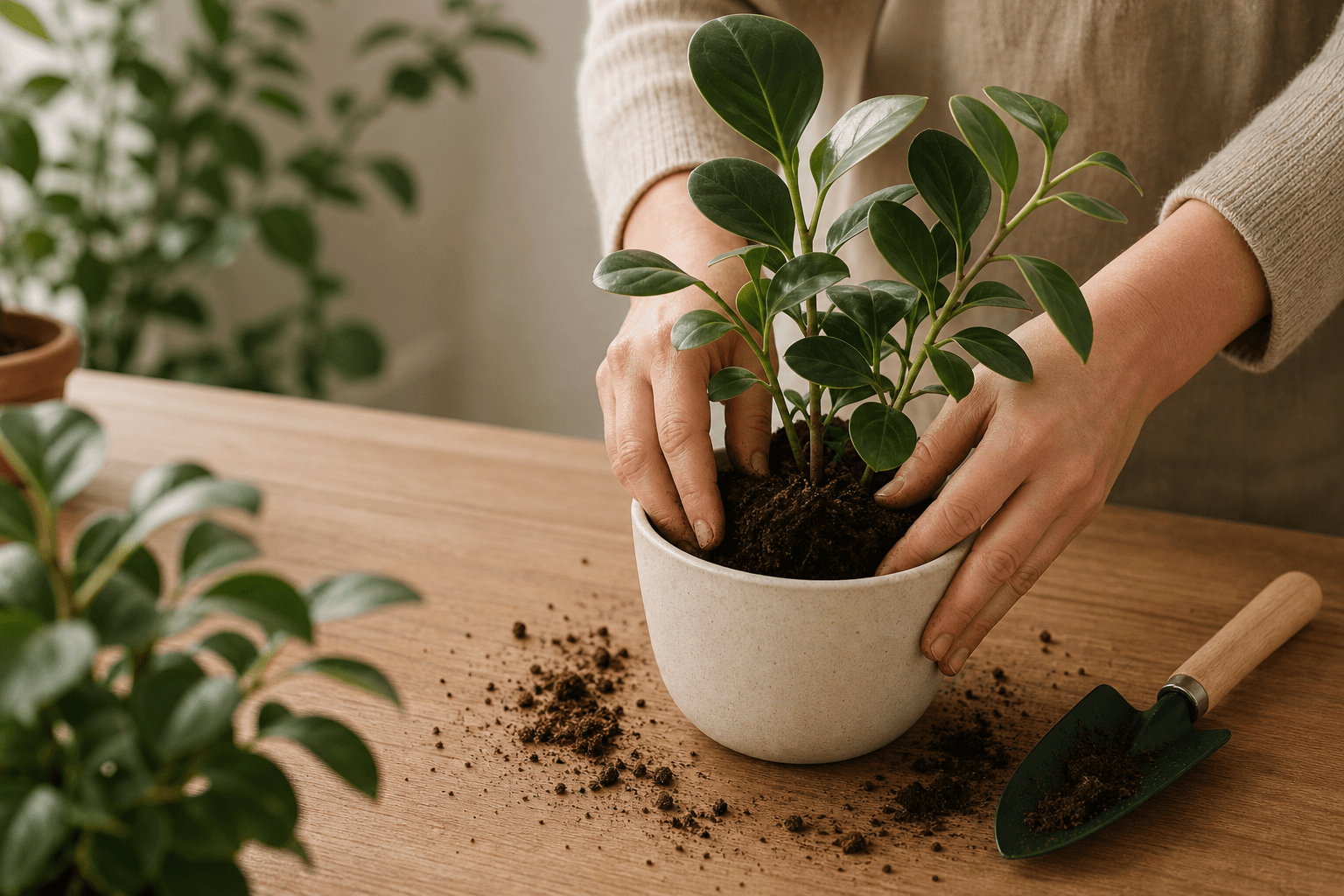
Compare soil moisture, pot weight, drainage, roots, and leaf patterns before deciding whether a houseplant has too much or too little water.
5 minute read
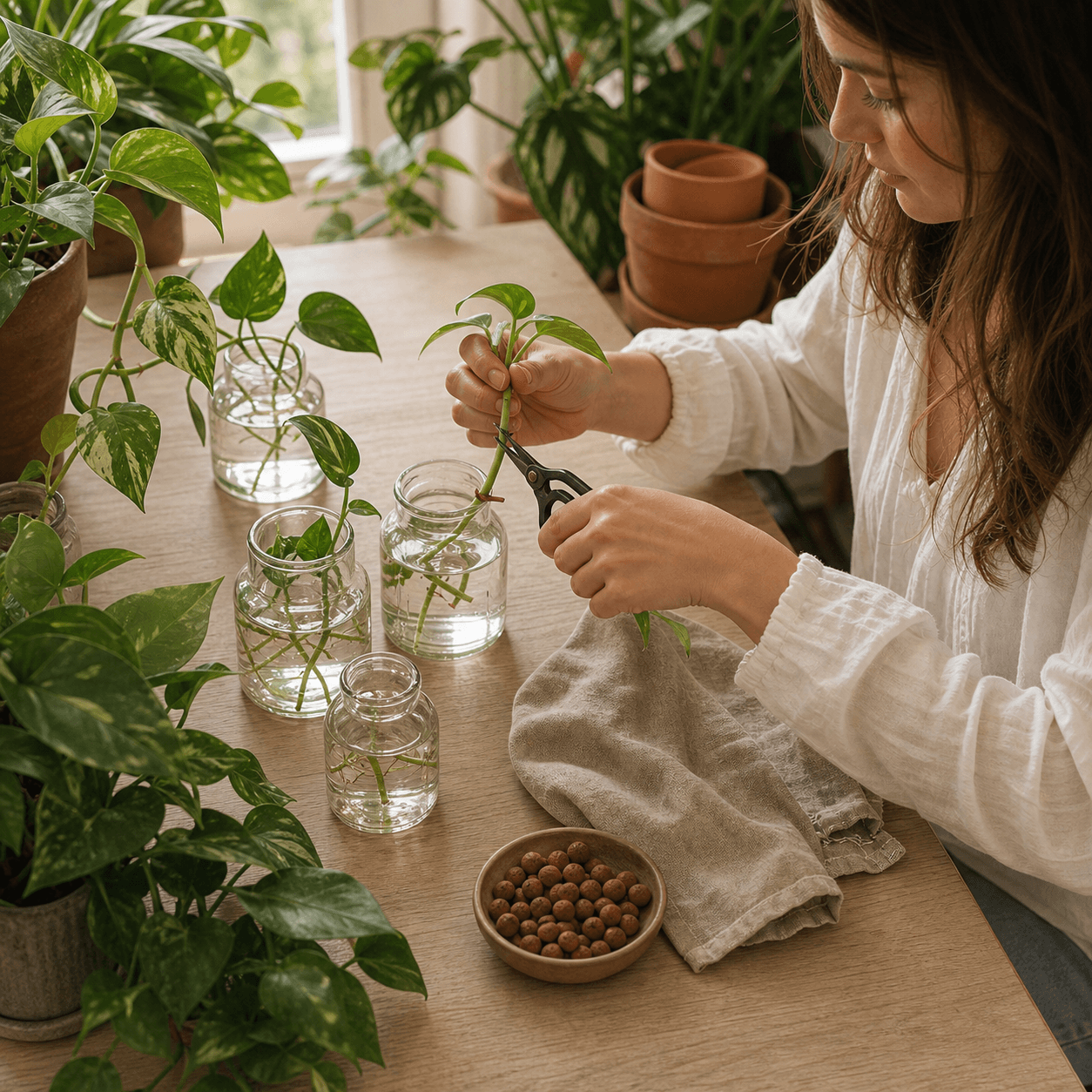
Yellow leaves are a general stress signal. Use soil moisture, drainage, recent changes, and a pest inspection to narrow the possible cause before acting.
4 minute read
Extension-listed foliage plants for lower-light rooms, plus practical ways to assess light and adjust watering without treating low light as no light.
3 minute read
A simple propagation log for recording the species, method, start date, conditions, and observable changes without promising a particular rooting time.
4 minute read
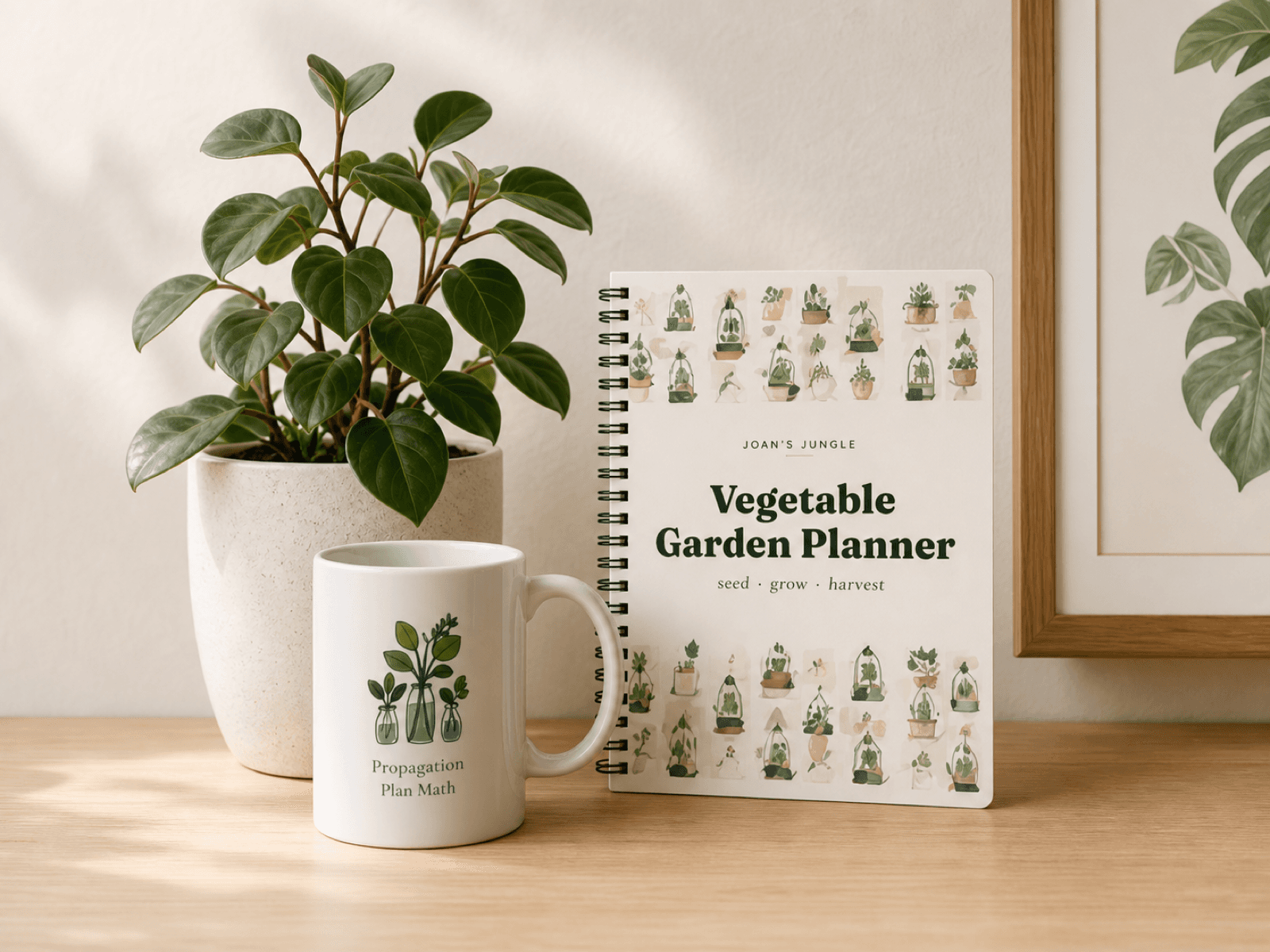
Why fixed watering dates miss changing conditions, what to observe instead, and how a regular check can support species-appropriate watering.
4 minute read
Put the system on paper
Compare the current Etsy-backed planners and trackers built for observable care routines.